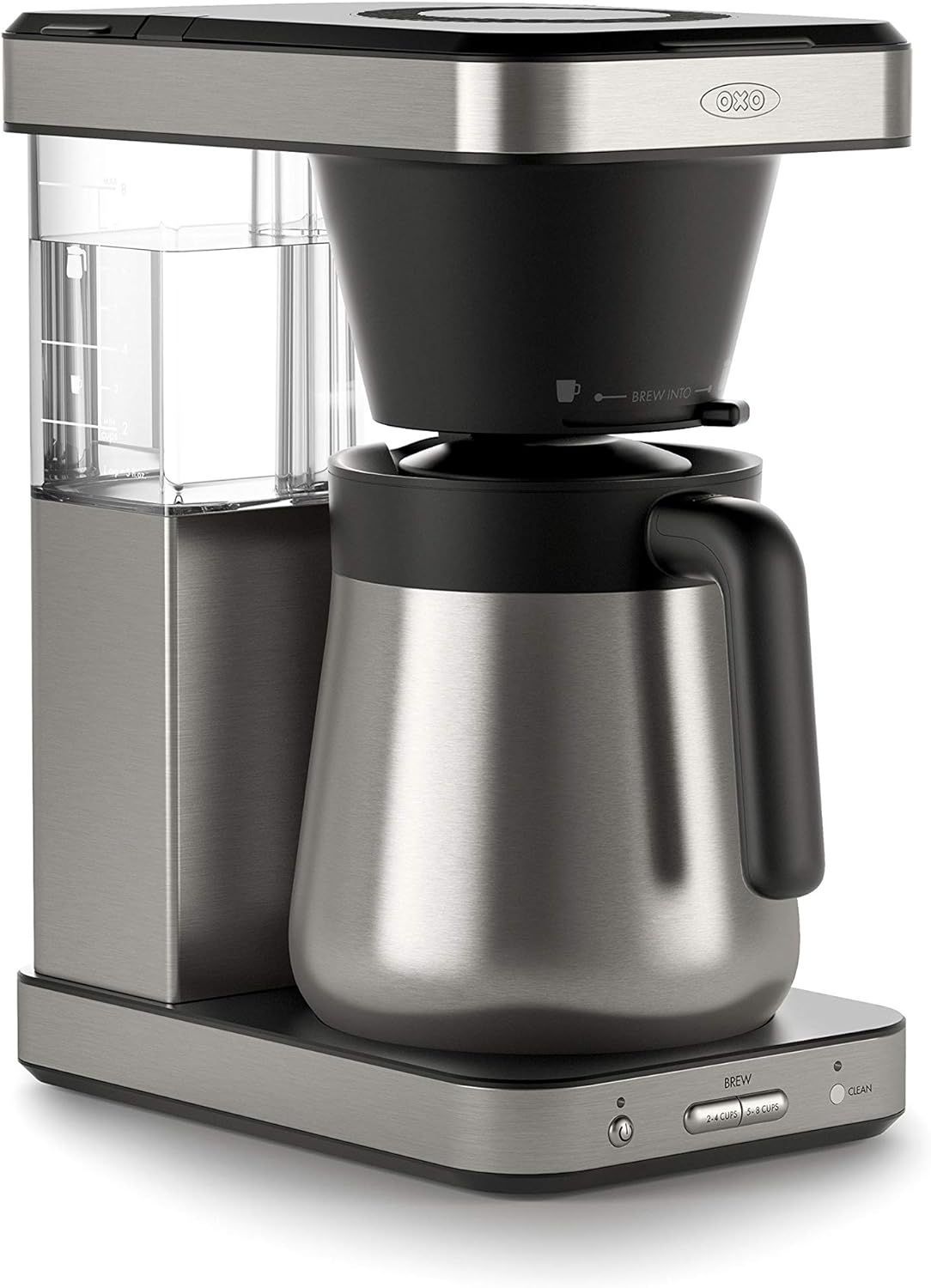


Many people reach for coffee or tea each day without a second thought. Beyond boosting alertness and focus, new research suggests that moderate amounts of caffeinated coffee or tea may also help support brain health with age.
The study reports that regular consumption of caffeinated coffee or tea links to a lower risk of dementia, slower loss of memory, and better thinking ability.
The work was led by researchers at Mass General Brigham, Harvard T.H. Chan School of Public Health, and the Broad Institute.
The research team used data from two long-term studies in the United States. One is the Nurses’ Health Study, which began in 1976. The other is the Health Professionals Follow Up Study, which started in 1986.
Together, these studies included 131,821 adults. Participants shared information about diet, memory concerns, and overall health at regular intervals. Some participants stayed in the study for up to 43 years.
This long follow up helped researchers see how daily habits affected brain health over time.
Dementia affects memory, thinking, and the ability to carry out daily tasks. Once symptoms begin, treatment options offer limited improvement. For this reason, scientists place strong focus on prevention.
Lifestyle habits such as healthy eating, regular movement, and good sleep patterns play an important role in brain health.
Researchers have also started to study common drinks like coffee and tea because people consume them so often.
Coffee and tea contain caffeine along with plant compounds called polyphenols.
These compounds can reduce inflammation and protect brain cells from damage. Past studies suggested possible benefits, but the results were mixed.
Many earlier studies followed people for short periods or did not track beverage intake carefully. Some studies also failed to separate caffeinated drinks from decaffeinated ones.
This new research solved many of these problems by using detailed data collected over several decades.
During the study period, 11,033 participants developed dementia. The results showed a clear pattern.
Adults with the highest intake of caffeinated coffee had an 18 percent lower risk of dementia compared with adults who drank little or no caffeinated coffee. Memory concerns also appeared less often among coffee drinkers.
About 7.8 percent reported subjective cognitive decline, compared with 9.5 percent among non drinkers. Cognitive tests also showed better overall performance in people who regularly drank caffeinated coffee.
Tea showed similar benefits. In contrast, decaffeinated coffee did not show the same protective effect. This finding suggests that caffeine plays an important role in protecting brain function.
The strongest benefits appeared with moderate intake. Two to three cups of caffeinated coffee per day showed the best results. One to two cups of tea per day produced similar benefits.
Higher caffeine intake did not show harmful effects in this study. Brain protection remained similar beyond the optimal range, which differs from some earlier research.
Study senior author Dr. Daniel Wang is an associate scientist with at Harvard Medical School.
“When searching for possible dementia prevention tools, we thought something as prevalent as coffee may be a promising dietary intervention – and our unique access to high quality data through studies that has been going on for more than 40 years allowed us to follow through on that idea,” said Dr. Wang.
“While our results are encouraging, it’s important to remember that the effect size is small and there are lots of important ways to protect cognitive function as we age. Our study suggests that caffeinated coffee or tea consumption can be one piece of that puzzle.”
The study also looked at genetic risk for dementia. Some people carry genes that increase the chance of developing the condition.
The results showed similar benefits from coffee and tea across different genetic risk levels.
“We also compared people with different genetic predispositions to developing dementia and saw the same results – meaning coffee or caffeine is likely equally beneficial for people with high and low genetic risk of developing dementia,” said study lead author Yu Zhang.
This study does not suggest that coffee or tea can prevent dementia on its own. Brain health depends on many factors, including diet, physical activity, sleep, and social life.
Still, moderate intake of caffeinated coffee or tea may support brain health as part of a balanced and healthy lifestyle.
The study is published in the journal JAMA.
—–
Like what you read? Subscribe to our newsletter for engaging articles, exclusive content, and the latest updates.
Check us out on EarthSnap, a free app brought to you by Eric Ralls and Earth.com.
—–