
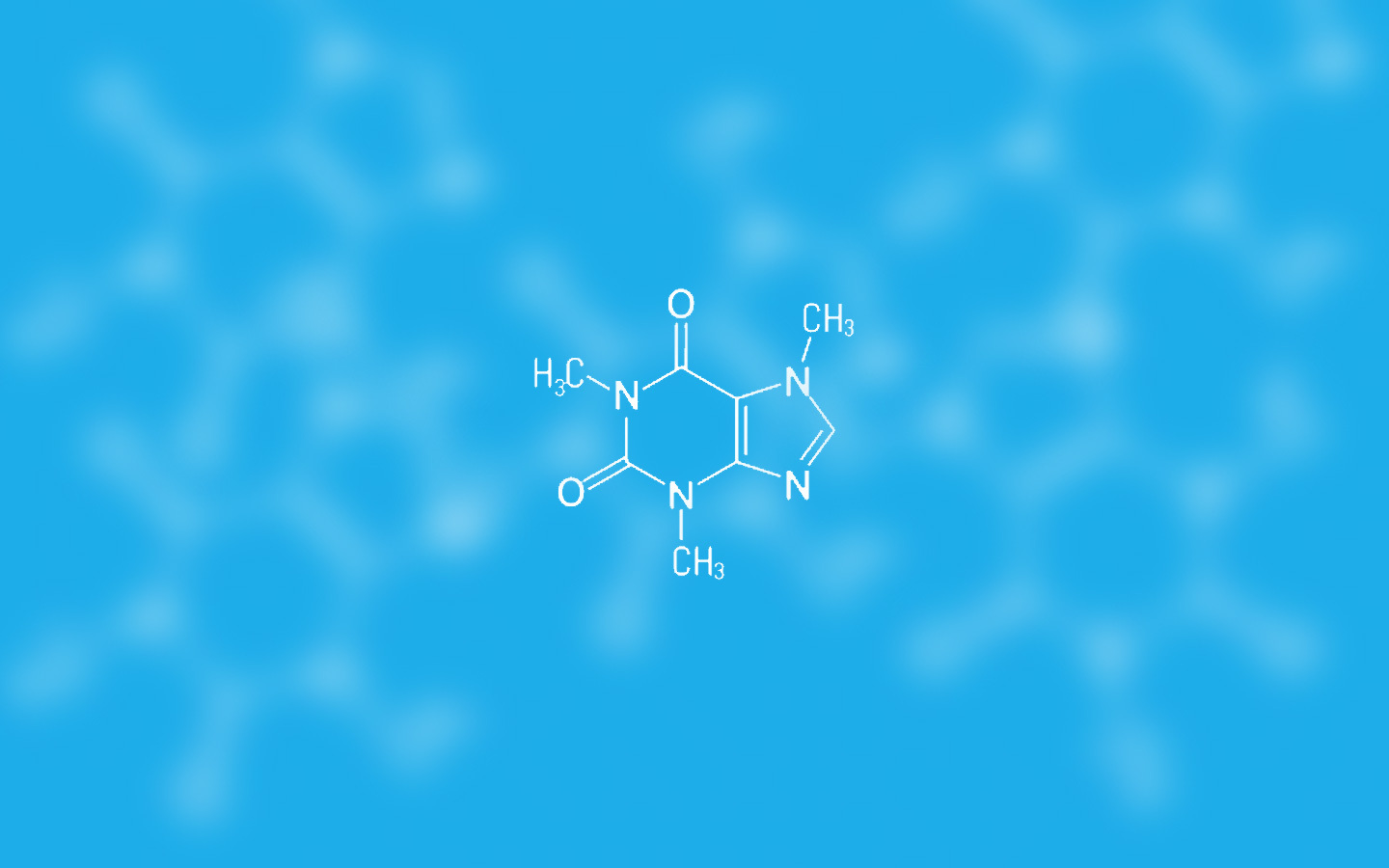
Often in the world of scientific research—and our reporting on it—coffee and caffeine are used interchangeably. Which makes sense; much of coffee’s beneficial properties can attributed to the caffeine content. (And there a quite a few studies on the healthfulness of caffeinated coffee whose findings could not be replicated with decaf.)
But despite their overlap, coffee and caffeine are not synonymous. That’s why a recent study sought to better understand the biological mechanisms of both coffee and caffeine as they relate to health in humans. They found that the benefits of coffee consumption to be much more complicated that merely its caffeine content.
Published earlier this week in the European Journal of Nutrition, researchers from Germany’s Technical University of Munich examined the effects of coffee and caffeine on circulating cytokines. Many of the benefits of coffee/caffeine result from their anti-inflammatory properties. Cytokines are signal proteins that work to regulate, amongst other things, inflammation. Thus quantifying their activity caused by coffee versus caffeine will go a long way to assessing the unique health benefits of both.
To do this, they examined 10 participants—five men and five women, all between the ages of 20 and 40, in good health, and regular coffee drinkers. Over the course of four months, each participant underwent three different sets of examinations, one after drinking coffee (100ml containing 130mg caffeine), one after drinking a caffeine solution (100ml containing 130mg caffeine), and one after drinking water (100ml with 0mg caffeine); the order of drinks in the series was randomized.
The participants were asked to refrain from any caffeine consumption for a week leading up to the tests and were provided a standardized meal the night before the testing in minimize contamination of the results. Blood and urine samples were provided before the testing and then again at regular intervals over the subsequent hours.
They found that the caffeine solution had a more pronounced effect in suppressing on both pro-inflammatory and anti-inflammatory cytokines than either coffee or water did. They also found that caffeine stayed in the bloodstream longer and in higher quantities when the source was brewed coffee instead of the caffeine solution.
Combined, these two results point to the idea that the benefits of coffee are far more intricate than merely its caffeine content. The researchers suggest that other compounds found in coffee, like chlorogenic acid, may provide additional anti-inflammatory effects to counteract the “immunoactive effects observed with the intake of isolated caffeine.”
Thus coffee is more than just a means of consuming caffeine, though it is also that. It has its own unique matrix of compounds promoting a wide range of healthful outcomes, whose effects aren’t quite able to be parsed into component parts. All the more reason to keep drinking coffee instead of some sort of caffeine solution. Also the flavor. The flavor is better.
is the managing editor at Sprudge Media Network and a staff writer based in Dallas.