
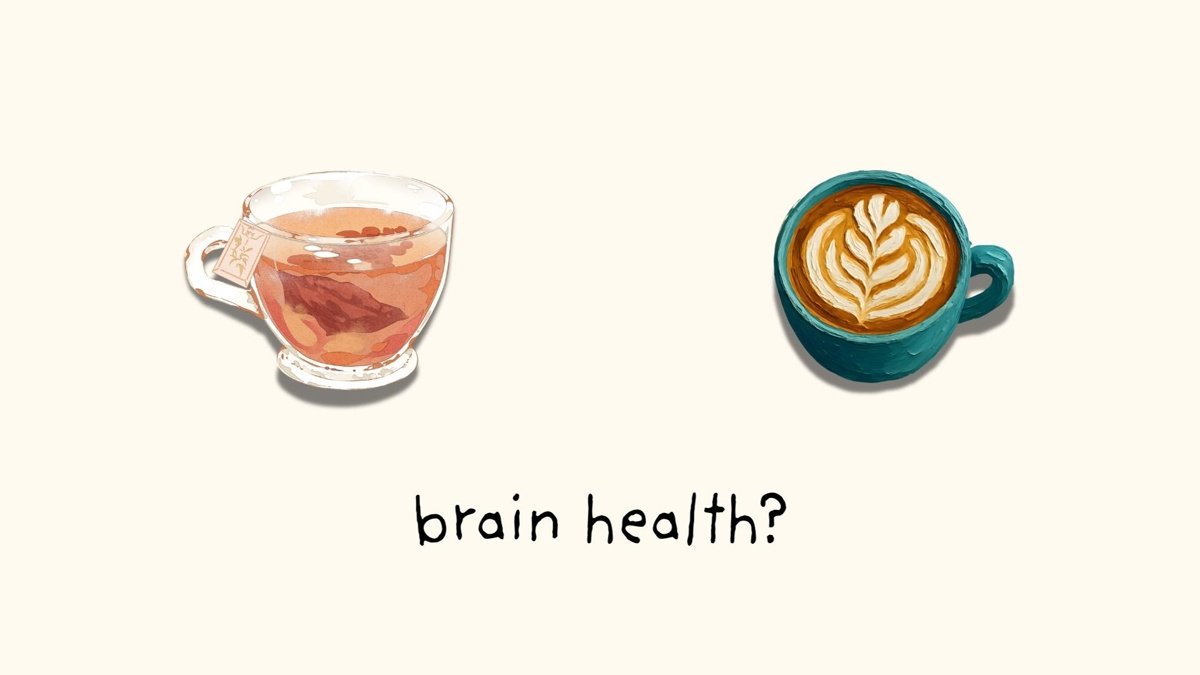
Researchers found that people who drank 2 to 3 cups of caffeinated coffee a day or 1 to 2 cups of tea had a lower risk of developing dementia. They also showed slower memory decline and better overall brain function compared with those who drank little or none.
The study followed more than 131,000 men and women from two long running U.S. health studies for up to four decades. Over that time, just over 11,000 participants developed dementia. Those with the highest intake of caffeinated coffee had an 18% lower risk of the condition.
They were also less likely to report memory problems and performed slightly better on thinking and memory tests.
Tea drinkers showed similar benefits, while decaffeinated coffee did not. This suggests that caffeine plays an important role, although researchers say more work is needed to fully understand why.
The strongest benefits were seen with moderate daily intake rather than very high amounts. Higher caffeine consumption did not appear to cause harm and offered similar protection to the optimal range.
The findings were consistent across people with different genetic risks for dementia, meaning the benefits of coffee and tea were seen in both higher and lower risk groups.
Researchers stressed that coffee and tea are not a cure and that the overall effect is modest. However, they said these drinks could be one simple part of a broader healthy lifestyle aimed at protecting brain health as people grow older.
Earlier, Qazinform News Agency reported that the earliest signs of dementia may have appeared in the novels of Sir Terry Pratchett almost a decade before he was formally diagnosed.